
Retail customer experience is the cornerstone of successful businesses in today’s competitive landscape, where every interaction can make or break a sale. As retailers strive to create memorable shopping journeys, they recognize that enhancing the customer experience directly influences sales and fosters loyalty.
From innovative store layouts to exceptional staff training, the elements that shape this experience are crucial for maintaining a competitive edge. Companies that excel in customer experience not only see increased sales but also develop a loyal customer base that advocates for their brand.
Importance of Retail Customer Experience
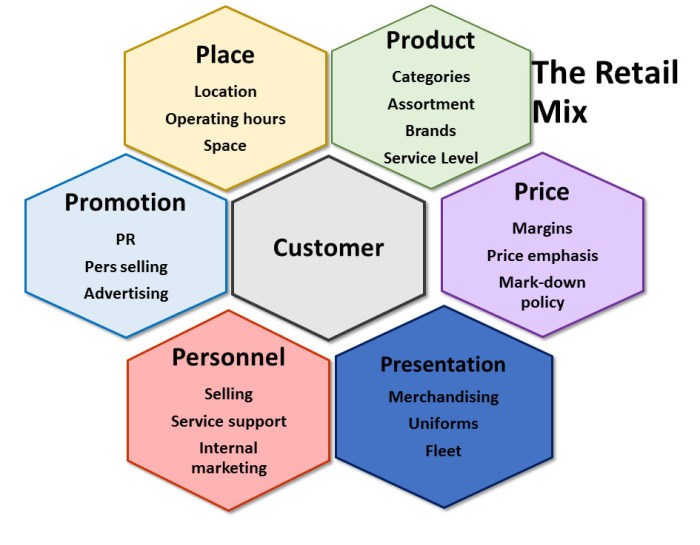
Creating a remarkable retail customer experience is vital in today’s competitive market. It serves as a key differentiator that can significantly impact a company’s success. Enhancing customer experience is not just about offering quality products; it’s about creating a relationship and ensuring customers feel valued. Companies that prioritize customer experience often see a direct correlation between satisfaction and sales, as happy customers are more likely to return and recommend the business.The impact of retail customer experience on sales and loyalty cannot be overstated.
Research shows that businesses with positive customer experiences can experience increased sales and customer retention rates. For example, companies like Amazon and Apple excel in customer experience by providing user-friendly interfaces, excellent customer service, and seamless shopping processes, leading to high customer loyalty and repeat purchases.
Key Elements of Retail Customer Experience
Several crucial components define the customer experience in the retail sector. Understanding these elements is essential for any retailer looking to improve their service quality. Key aspects include:
- Staff Training: Well-trained staff are the backbone of great customer experiences. Training equips employees with the knowledge and skills they need to assist customers effectively, creating a friendly and knowledgeable environment.
- Store Layout: The physical layout of a store can significantly influence customer behavior. A well-organized space makes it easier for customers to find what they need, leading to a more enjoyable shopping experience.
- Ambiance: Factors such as lighting, music, and decor contribute to the overall shopping atmosphere. A welcoming ambiance encourages customers to linger and explore, often resulting in more sales.
Business Innovation in Retail
Innovation plays a critical role in enhancing the retail customer experience. Retailers who embrace new strategies can create unique shopping experiences that attract and retain customers. For instance, the use of augmented reality (AR) in stores allows customers to visualize products in their environment, significantly enhancing their shopping experience. Success stories of retailers like Nike illustrate the benefits of implementing cutting-edge technology.
Nike’s flagship stores feature interactive displays and personalized shopping experiences through their mobile app, showcasing how technology can elevate customer engagement. Additionally, customer feedback is vital in driving innovation. Collecting insights about customer preferences and pain points helps retailers adapt and refine their offerings.
International Business and Retail Customer Experience
Customer experience strategies can vary significantly across different cultural contexts. Understanding these nuances is essential for international retailers aiming to succeed globally. Challenges such as language barriers, cultural expectations, and differing consumer behaviors can complicate the delivery of a seamless customer experience.Successful global retail brands like IKEA and Starbucks have tailored their customer experience strategies to align with local cultures while maintaining their brand essence.
For instance, IKEA adapts its product offerings to reflect local tastes and preferences, ensuring a more relatable shopping experience for customers across various countries.
Business Interviews for Retail Professionals
When interviewing candidates for retail positions, asking the right questions is crucial to identify individuals who can enhance the customer experience. Essential questions should focus on previous customer service experiences, problem-solving skills, and ability to work in a team-oriented environment. Key skills and qualities that enhance customer experience include empathy, effective communication, and adaptability. Candidates should showcase these capabilities through specific examples during their interviews, demonstrating how they have positively impacted customer interactions in their past roles.
Job Search Techniques in Retail
Job seekers in the retail industry can benefit from tailored job search techniques. Building a strong network is essential; candidates should attend industry events and engage with retail professionals on platforms like LinkedIn. Highlighting customer experience on resumes and cover letters can set candidates apart. They should focus on metrics that demonstrate their impact on customer satisfaction and retention. Tailoring applications to reflect the specific values and culture of the retailer also enhances chances of securing an interview.
Business Management and Retail Customer Experience
Effective managerial practices are fundamental in fostering an outstanding customer experience. Leaders must prioritize customer-centric strategies and ensure that every team member understands their role in enhancing service quality. Leadership plays a pivotal role in creating a customer-centric culture. Managers should model behaviors that prioritize customer satisfaction and empower employees to take ownership of customer interactions. Frameworks such as the balanced scorecard can help align business goals with customer experience initiatives, ensuring that all departments contribute to a unified customer experience strategy.
Marketing Strategies to Enhance Retail Customer Experience
Marketing tactics aimed at enhancing customer engagement are essential in today’s retail landscape. Creating personalized promotions and loyalty programs can significantly improve customer experiences. Successful case studies, such as Sephora’s Beauty Insider program, illustrate how targeted marketing can create deeper connections with customers. Designing marketing plans that focus on elevating in-store experiences, such as exclusive events or interactive product demonstrations, can also enhance customer satisfaction and loyalty.
Business Outsourcing for Improved Customer Service
Outsourcing certain aspects of customer service can be effective in retail. For instance, call center operations or customer support can often be outsourced to specialized companies, allowing retailers to focus on their core business functions. While outsourcing offers advantages such as cost savings and access to expertise, challenges such as maintaining quality and brand consistency must be carefully managed. Retail companies like Zappos have successfully utilized outsourcing strategies to enhance their customer service without compromising their brand values.
Team Building for Enhanced Customer Service
Team-building activities designed to improve staff-customer interactions can significantly enhance the retail experience. Engaging employees in collaborative exercises fosters a sense of unity and encourages them to work together to meet customer needs.Collaboration among staff is crucial for delivering a seamless customer experience. Techniques to foster a positive team environment include open communication channels, regular feedback sessions, and recognition programs that celebrate outstanding customer service contributions.
Business Productivity and Customer Experience
Improving productivity in retail operations can lead to enhanced customer service quality. Streamlined processes, effective inventory management, and the use of technology can all contribute to a more efficient retail environment. Technology plays a vital role in this regard, with tools like point-of-sale systems and customer relationship management software enabling retailers to serve customers more effectively. Key performance indicators (KPIs), such as customer satisfaction scores and average response times, should be monitored to measure the impact of productivity improvements on the customer experience.
Challenges in the Restaurant Industry Related to Customer Experience
Restaurants face common obstacles in delivering exceptional customer service, such as high employee turnover and varying customer expectations. Strategies for overcoming these challenges include investing in staff training and implementing feedback mechanisms to continuously improve service quality.Innovative approaches to customer experience in the restaurant industry can be seen in brands like Chick-fil-A, which focuses on creating a welcoming environment and exceptional service, leading to high customer loyalty and satisfaction.
Business Sales Tactics for Retail
Sales techniques that engage customers and enhance satisfaction are crucial for retail success. Approaches such as upselling and cross-selling can significantly improve the customer experience when done effectively. Personalizing sales approaches to meet individual customer needs is essential in today’s retail environment. By understanding the preferences and behaviors of their customers, retailers can create tailored experiences that resonate with shoppers, ultimately leading to increased sales and loyalty.
Risk Management in Retail Customer Experience
Identifying potential risks that could negatively impact customer experience is essential for retailers. Risks may include out-of-stock items, poor employee training, or negative online reviews. Mitigating these risks while maintaining service quality involves proactive strategies such as regular staff training, effective inventory management, and monitoring online feedback. Retailers like Target have successfully implemented risk management strategies that focus on maintaining high service standards even during peak shopping seasons.
Strategic Planning for Retail Customer Experience
Strategic planning aimed at enhancing customer experience in retail is vital for long-term success. Aligning business goals with customer experience strategies ensures that all efforts are directed towards meeting customer needs effectively.Templates for strategic planning in retail should include elements such as customer journey mapping, resource allocation, and performance measurement. By focusing on these areas, retailers can develop comprehensive plans that lead to improved customer satisfaction and loyalty.
Workplace Communication in Retail
Effective communication is crucial in enhancing customer interactions within retail environments. Clear internal communication among staff ensures that everyone is aware of customer preferences and any ongoing promotions, contributing to a more cohesive customer experience.Techniques for improving internal communication may include regular team meetings, collaborative tools, and open-door policies that encourage employees to share ideas and feedback. Strong communication among staff positively impacts team dynamics and ultimately enhances customer service quality.
Final Thoughts
In summary, the discussion around retail customer experience highlights its pivotal role in driving sales and customer loyalty. By understanding the key elements and implementing innovative strategies, retailers can create engaging shopping environments that resonate with consumers, ensuring both satisfaction and repeat business.
Clarifying Questions
What is retail customer experience?
Retail customer experience refers to the overall perception a customer has of a brand based on their interactions during the shopping journey.
Why is customer experience important in retail?
A positive customer experience leads to higher sales, customer satisfaction, and loyalty, which are essential for long-term business success.
How can technology enhance retail customer experience?
Technology can streamline operations, personalize customer interactions, and provide valuable data insights, all of which can enhance the shopping experience.
What role does staff training play in customer experience?
Well-trained staff can provide better service, understand customer needs, and create a welcoming atmosphere, significantly improving the overall experience.
How can retailers gather feedback to improve customer experience?
Retailers can use surveys, social media interactions, and direct customer conversations to gather insights and make necessary improvements.


